







Back to Tour: Medicinal Plants Tour
|
Aloe arenicola Sand Aloe Aloe arenicola 170561*1 is no longer in the Denver Botanic Gardens plant collection. |
Denver Botanic Gardens
Gardens Navigator 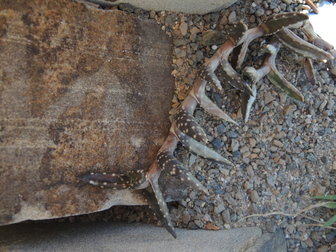
|
|
Accession Number: 170561*1 Map | Image | |
| More about Aloe arenicola | |
 E-mail
| TOUR DETAILS |
Medicinal uses: Aloe leaves contain aloe gel, but also contain aloe bitters. The yellow liquid seeps out when a leaf is cut and dries to create a resin. This juice is an effective laxative, and has emmenagogue (helping to regulate menstrual flow) properties. In ingesting aloe, be wary as some species are poisonous. The gel from the aloe leaf helps treat skin problems like sunburns, but it can also be applied to open wounds, as it promotes the regeneration of skin tissue. It is not recommended that pregnant women ingest this plant. Mythology/Folklore: According to the bible, the body of the Christ was treated with myrrh and aloe to prepare for his burial. The ancient Egyptians considered aloe the “plant of immortality.” Cleopatra is known to have used aloe every day to enhance her beauty. In the 1950’s, aloe became a popular plant within the U.S. after it was discovered to help in the recovery from radiation burns. The plant pictured is A. arenicola, which is closely related to aloe vera. Medicinal recipe: Handmade Aloe Vera Lotion: 1 cup pure aloe vera gel, ½ cup grated beeswax, ½ cup sweet almond, grapeseed, or jojoba oil, 1 tsp Vitamin E oil, 15 drops essential oil In a medium-sized bowl combine aloe vera gel, Vitamin E oil, and essential oils. Set aside for later. Add grated beeswax and oil to a measuring cup. Place measuring cup in a small pot of water and bring water to a gentle boil. Heat, stirring occasionally, until beeswax is completely melted then remove measuring cup from pot. Pour beeswax/oil mixture into blender and allow to cool. Once cooled, turn blender on low. Remove top of blender and pour aloe vera mixture in a slow, continuous stream. Stop blender as often as need to run a spatula around the sides to incorporate ingredients. If liquid is pooling at top, stop frequently to push it around with the spatula (patience is key). Continue blending until the desired consistency is reached. Transfer the lotion to clean jars. Refrigerate any portion not used up in the following weeks. Culture: (from Kevin Williams, staff horticulturalist) A. arenicola needs to be grown in full sun, and needs sharp draining soil media. Watering should occur infrequently, mostly while the plant is actively growing during the winter months. The soil should always be allowed to dry out fully between waterings |
| LOCATION GROUP | Steppe Garden |
| FAMILY NAME | Asphodel Family |
| FAMILY | Asphodelaceae |
| ACCESSION DATE |
March 14, 2017 (When this plant was acquired and registered in the database) |
| FLOWER COLOR | red |
| FLOWER COLOR NOTE | orange-red |
| USDA HZ | 9B (Coldest Zone Where Hardy) |
| HABIT | Cactus/Succulent |
Location Map for 170561*1 Aloe arenicola
Map Help
Images © Denver Botanic Gardens
|
170561*1 Aloe arenicola Leaf |
© Denver Botanic Gardens, 1007 York Street, Denver, CO 80206
Photography © Denver Botanic Gardens
Powered by